Hex: The Vibrant Typeface That Transforms Small Business Branding
It was a rainy Tuesday morning when I sat at my kitchen table, staring at the mock-up for my new line of handmade soy candles. I had spent weeks perfecting the scent blends and sourcing sustainable jars, but the labels felt flat. They were functional, yes, but they lacked the warmth and personality that defined my brand. Every time I looked at the text, it felt like a generic template rather than an invitation into my world. I needed something to make customers pause, smile, and feel the vibe of my shop before they even lit a candle.
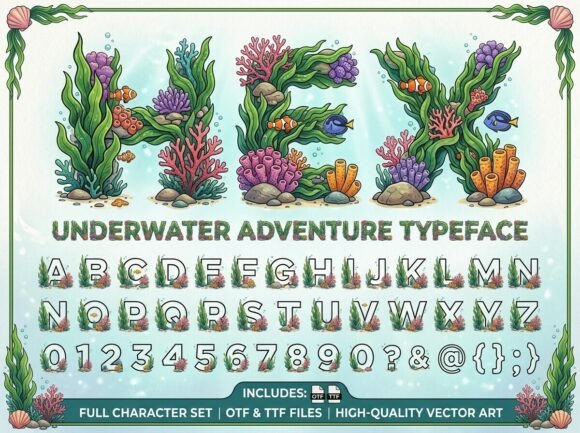
That is when I discovered Hex. It wasn't just another font; it was a complete shift in perspective. This premium illustrated display font transforms every character into a thriving coral ecosystem, bringing a vibrant mystery of the deep right onto your packaging and screens. For a small business owner trying to stand out in a crowded market, Hex offered exactly what I was missing: a unique visual identity that feels alive and memorable.
From Generic Labels to Memorable Brand Identity
Before switching to Hex, my branding materials were a mix of standard sans serif fonts that blended into the background. In the world of fonts, especially for display purposes, first impressions are everything. When a customer scrolls through Instagram or walks past a boutique shelf, they decide within seconds if a product looks trustworthy and professional. My old typography said "I made this quickly," while Hex says, "This is a crafted experience."
The moment I applied Hex to my candle jar labels, the entire design lifted. The bold, clean-lined letters didn't just sit there; they seemed to glow with texture and depth. Because Hex is designed as a premium font with such distinct character, it immediately elevated the perceived value of my products. Customers started commenting on how "unique" the packaging looked, not because of the colors, but because the typography told a story. It transformed simple words into a visual destination.
Where Hex Fits Best in Your Design Workflow
One of the best things about Hex is its versatility across different business assets. You don't need to be a professional graphic designer to use it effectively. Here is how I have integrated it into my daily operations:
- Logo Design: Using Hex for the main wordmark gives a logo instant personality. It works beautifully for brands that want to appear creative and modern without being chaotic.
- Packaging Design: Whether you are printing stickers, tags, or boxes, Hex acts as a decorative accent that draws the eye. On my bakery boxes, it makes the product name pop against matte backgrounds.
- Social Media Graphics: When creating thumbnails for YouTube or headers for Facebook ads, Hex ensures your text remains readable even at smaller sizes while maintaining a strong aesthetic.
- Menus and Flyers: For café owners or event planners, using Hex for headlines creates an inviting atmosphere. It pairs perfectly with short phrases, making them feel like featured attractions.
- Digital Downloads: If you sell templates or digital art, including Hex in your preview images helps clients visualize the final polished result.
Building Trust Through Visual Consistency
Consistency is the backbone of any successful brand identity. When your typography changes from one platform to another, it confuses your audience. Hex provides a cohesive thread that ties your physical products to your digital presence. By using this typeface for your website banners, email signatures, and thank-you cards, you create a seamless experience that builds trust.
I remember sending out my first batch of thank-you cards printed with Hex. The recipients didn't just see a note; they saw a piece of art. The font's ability to convey mood means that even a simple "Thank You" feels special. This attention to detail is crucial for small businesses competing with larger corporations. It shows you care about the little things, which translates directly to customer loyalty.
Mastering Readability and Pairing
While Hex is stunning, it is primarily a display font meant for headlines, titles, and short phrases. It is not designed for long blocks of body text. To get the most out of it, I recommend pairing Hex with a clean sans serif font or an elegant serif font for your descriptions and instructions. For example, I use a crisp geometric sans serif for ingredient lists on my candle jars, letting Hex handle the product names. This contrast creates a balanced hierarchy that guides the reader's eye naturally.
If you run a beauty brand or a boutique, you might also consider pairing Hex with a flowing script font or a friendly handwritten font for accents. This combination adds a layer of human touch to the bold structure of Hex. However, always test your combinations on mobile screens and printed mockups. Text that looks great on a desktop monitor can become illegible on a small phone screen if the weight isn't right. Hex shines brightest when used for impactful statements where readability is high but the visual impact is paramount.
Practical Tips for Commercial Use
As an entrepreneur, understanding the licensing and technical details of a commercial font is just as important as its look. Before purchasing Hex, take a moment to check the included styles and file formats. Most premium typefaces come with multiple weights, ensuring you have options for both bold headlines and slightly lighter accents. Look for features like alternates and ligatures, which add extra flair to specific letter combinations, giving your designs a custom-tailored feel.
Also, verify the multilingual support if you plan to sell internationally. A good creative font should support various character sets so your brand can speak to a global audience without losing its style. Once you have confirmed these details, you can confidently use Hex on merchandise, client work, and digital downloads. Knowing you have the proper rights allows you to focus on creativity rather than legal worries.
Why Typography Matters More Than You Think
Many business owners overlook typography until it is too late, assuming that content is all that matters. But in reality, people read with their eyes before they process the words. The wrong font can make a high-quality product look cheap, while the right one, like Hex, can make a simple item feel luxurious. It affects customer engagement by setting the tone for your message. Does your brand feel playful? Serious? Luxurious? Hex leans into a sense of wonder and vibrancy, making it ideal for businesses that want to inspire curiosity.
Whether you are redesigning a menu for a cozy café, updating skincare labels, or refreshing an online shop's graphics, the choice of modern typography defines your narrative. Hex brings a level of polish that was previously reserved for big-budget agencies. It allows small creators to produce materials that look consistent, professional, and deeply engaging.
When I finally launched my updated brand with Hex, the response was immediate. People stopped scrolling. They engaged more with my posts, asked questions about the design, and shared my products with friends. It proved that investing in quality design assets pays dividends in ways that go beyond aesthetics. It builds a connection. If you are ready to stop blending in and start standing out, exploring a font like Hex is the first step toward a more memorable and successful business.